We recognise the responsibility and opportunity we have to shape how our green spaces are used and managed, supporting nature while enhancing the wellbeing of our residents and colleagues.
Our Biodiversity Pathway, co-created with residents, colleagues and external partners, sets out a clear ambition: to turn our green spaces into thriving, resilient habitats that benefit both wildlife and communities.
Now, as we mark this two-year milestone, we’re seeing tangible results on the ground. From habitat creation and ecosystem restoration to stronger engagement with residents and partners. This anniversary is an opportunity not only to celebrate what we’ve achieved so far, but also to reaffirm our commitment to delivering lasting, positive change for nature by 2030.
Read the Biodiversity Pathway
Our pathway outlines our biodiversity plans to 2030. It includes detail around how we’ll promote nature recovery across 12% of our land portfolio such as woodland, grass and shrub areas, green roofs and waterways, covering 150 square hectares.
Read it hereHear from our Estate Services Team
We’ve spoken to our Estate Managers to see how the Biodiversity pathway is translating into their every day work.
In our roles, the Biodiversity Pathway represents a structured and proactive approach to protecting, enhancing, and sustaining biodiversity across our estates in South London. It focuses on improving the overall quality and appearance of our landscaped environments while also ensuring that ecological considerations are embedded into our day-to-day estate management practices.
A key aspect of our work involves identifying suitable locations for wildflower planting, which helps support pollinators and local wildlife while also creating visually attractive and welcoming outdoor spaces for residents.
We also work closely with specialist tree contractors to promote the planting of native tree species wherever possible. Native planting helps strengthen local biodiversity, supports existing ecosystems, and improves the resilience of our green spaces. Overall, the Biodiversity Pathway helps ensure that our estates are managed in a way that balances environmental responsibility, sustainability, and community wellbeing.
We’ve been involved in various biodiversity focused initiatives across our estates that contribute positively to the Biodiversity Pathway and support local wildlife habitats. Examples include:
-
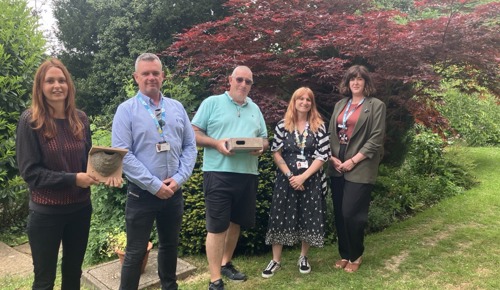
Installation of bat and bird boxes to encourage nesting opportunities and support local wildlife populations
-
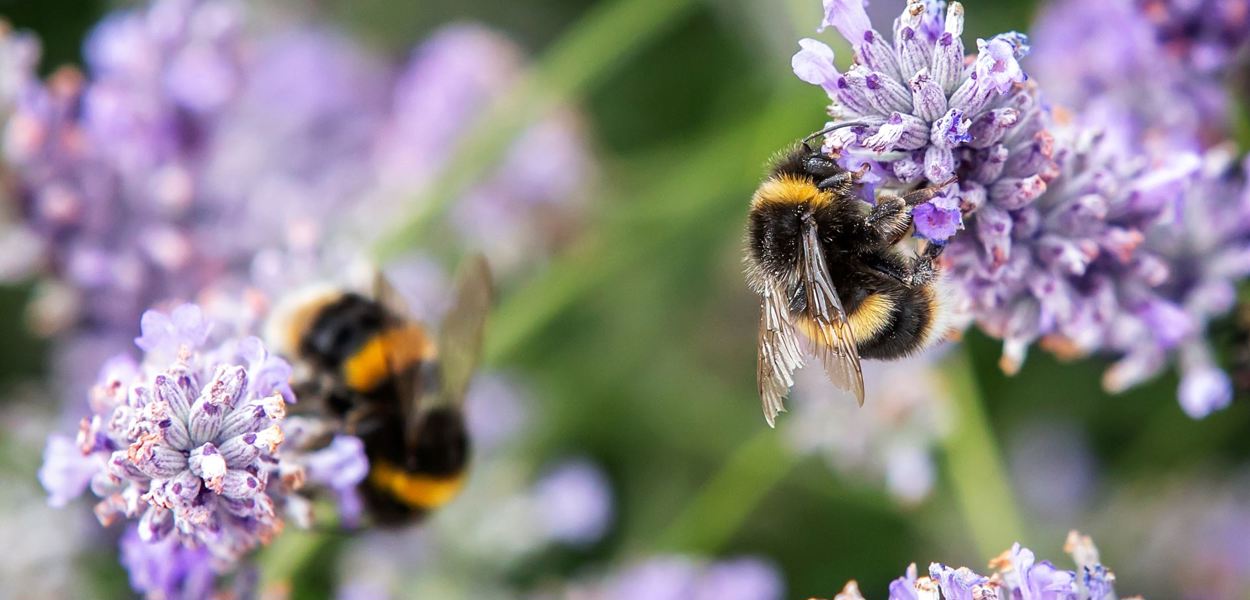
Planting lavender and other pollinator-friendly species to attract bees and other beneficial insects, helping to strengthen pollinator activity across our estates.
-
The replacement planting of native tree species following the removal of trees for health and safety reasons, ensuring continued canopy cover and ecological value within the landscape.
-
The creation of designated wildflower areas, supported by informative signage, to allow natural habitats to develop and thrive while also raising resident awareness of biodiversity initiatives.
-
Ongoing collaboration with specialist contractors and landscape teams to identify opportunities for sustainable planting and habitat enhancement throughout our managed green spaces.
These initiatives not only contribute to biodiversity improvement but also enhance the appearance of our estates, promote environmental sustainability, and create healthier, more enjoyable outdoor spaces for residents and local communities.
There are also important social and community benefits associated with biodiversity improvements.
Attractive communal green spaces encourage residents to spend more time outdoors and participate in community focused activities such as gardening clubs, community allotment projects, and local environmental initiatives.
These activities help strengthen community engagement, encourage social interaction, and create a greater sense of pride and ownership within our estates.
Biodiversity is about finding simple and practical ways to make our outdoor spaces better for wildlife and residents. It helps to encourage us to think about how we can improve the natural environment across our sites.
My team have been involved in projects introducing more wildlife-friendly planting. This has included looking at areas that could be enhanced with native plants and wildflowers, helping to create habitats that support pollinators and other wildlife.
At Jubilee Court we changed some regularly mown grass areas into wildflower spaces. We also added things like bird boxes and insect habitats and reviewed how the area was maintained. These changes have helped attract more wildlife while still keeping the space welcoming for residents.
More natural spaces can create pleasant places to spend time outdoors, encourage people to connect with nature, and can have a positive impact on wellbeing. Residents often enjoy seeing more flowers, birds, and wildlife around their homes.
The team have worked with colleagues , as well as contractors, to identify opportunities for improvements and make sure they can be delivered and maintained effectively. Housing Management have been consulted on where the wild seeding areas have been identified and our maintenance team have help to install some bird boxes
We've successfully introduced biodiversity improvements across a number of sites and increased the use of wildlife-friendly planting.
I've learned that small changes can have a bigger impact than people often expect. Something as simple as changing planting schemes or adjusting mowing schedules can create valuable habitats for wildlife.
Maintaining and improving our green spaces for the benefit of both our residents and the wildlife is a huge part of how the Biodiversity Pathway feeds in our day to day jobs.
On the Isle Of Wight, we've reduced the mowing frequency around a redundant play area and have also increased the planting of native trees and whips to allow nature to thrive, giving homes and feeding places to local wildlife, as well as encouraging wild flowers and shrub vegetation that are essential to the environment a chance to grow.
Working on the pathway has given us an opportunity to build relationships around the business, especially with our housing teams.
Further information:
Our news
All Articles