Back in 2009, I took my son to our local beach. Like most mums, thinking of ideas to fill our half terms and weekends, I’d promised sandcastles, ice creams and a paddle in the sea. But instead, what we did that day changed my life.
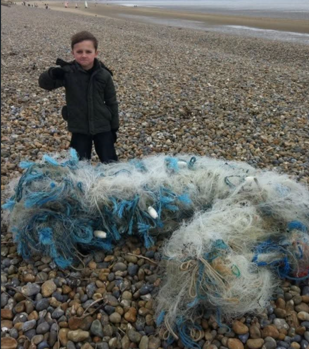
Walking along the seafront, we came across something that made us stop, a huge abandoned fishing net washed up on the shore, and nearby, sharks caught up in another net.
Seeing it in person was really upsetting. It wasn’t just litter on a beach, it was a stark reminder of the impact our actions have on the environment. That moment stayed with me long after we left.
I started doing some research, looking into plastics and micro plastics, and what I found encouraged me to make a change. Plastic doesn’t break down naturally. Instead, it breaks into tiny pieces over hundreds of years. These tiny pieces, called microplastics, are less than 5mm long and are now found almost everywhere. In our air, food, water and even our bodies.
What began as a useful material has now become one of the biggest environmental and health challenges we face.
I knew I needed to make a change. I began organising beach cleans and eventually adopted two local beaches, one along the river and one on the sea. It became a regular part of life, getting outdoors, picking up litter and seeing the difference a few people with bin bags could make.
Reducing my reliance on plastic
At home I use bags for life, a washing‑bag microfibre filter, and metal or ceramic cups for hot drinks. My food storage is all glass, metal, or bamboo, and I’ve ditched cling film completely.
I try to choose food packaged in glass, tins, or paper, and I never buy drinks in plastic bottles. These are all simple changes that you could make in your life, too.
Making a difference at Southern Housing
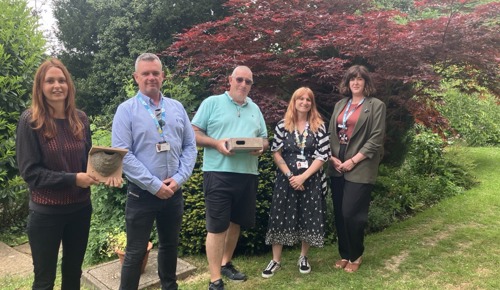
It’s not just down to individuals, organisations have a responsibility too. At Southern Housing, as part of our ongoing commitment to reducing plastic waste, we’re rolling out a ‘Plastic Reduction Plan’ across our offices; switching to refillable cleaning products, removing plastic bottles from vending machines and auditing our bin use amongst other things.
It’s all part of our Biodiversity Pathway, which was co-created with residents and outlines our biodiversity plans to 2030. As we look ahead, we aim to introduce the ‘Chemical Reduction Plan’ too.
So, this Earth Month, I encourage you to think about what changes you can make, whether it be at home or at work, to help our environment. Planet vs Plastic – let’s all choose team planet!
Our news
All Articles