A quick boiler check
- To keep your boiler running safely and efficiently, make sure your stored hot water is set to 65°C, this prevents harmful bacteria like legionella from developing.
- If you have a combi boiler (you'll know because there's no hot water cylinder and you'll see a white plastic pipe underneath), consider turning down your heating flow temperature to save energy. Simply look for a dial or buttons with a radiator icon on the front of your boiler (it's sometimes hidden behind a small flap).
- While you're there, you might also want to switch off the hot water pre-heat function. Many boilers fire up every few hours, day and night, to keep hot water ready, but most homes don't need this and turning it off can reduce your energy bills.
For more information, check out our video below.

Damp and mould
You should contact us straight away if you notice any signs of damp or mould. We encourage you to send us photographs as well to help us identify the issue. Our advisors can now send you a link to record a video that will help you highlight where the damp and mould may be. We’re responsible for addressing most building defects, and this is set out in your tenancy agreement. We will advise you on the appropriate next steps based on your specific situation from the information you provide us.
Condensation happens when warm, moist air meets cooler surfaces in your home. Everyday activities like drying clothes indoors can release up to six pints of moisture into the air. While modern, well-insulated homes are great for energy efficiency, they can sometimes trap this moisture inside, leading to condensation on windows and walls.
There are simple steps you can take to reduce moisture and condensation in your home
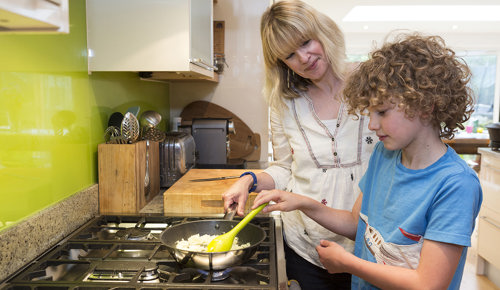
- Try using lids on pans while cooking to trap steam
- Dry laundry outdoors or in a well-ventilated space rather than on radiators
- If you use a tumble dryer, make sure it's properly vented to the outside
- When cooking or bathing, turn on extractor fans and open windows to let moisture escape
- Keep bathroom and kitchen doors closed to prevent steam spreading to other rooms and leave the extractor running for a few minutes after you've finished
- Wiping away condensation as soon as you notice it can also help prevent build up
- Keep trickle vents in your windows open, these small openings provide constant airflow without creating drafts
- Make sure air bricks and wall vents aren't blocked and try to position furniture a few inches away from external walls to allow air to circulate
- Avoid overfilling wardrobes and cupboards, as this can restrict airflow too
- Keeping your home at a steady, comfortable temperature helps prevent cold surfaces where condensation can form
- During very cold weather, it's better to keep your heating on at a lower setting rather than letting your home get cold
- If possible, heat all rooms, even those you don't use as often, and keep radiators clear of obstructions.
Damp and Mould Booklet
More information
If you'd like additional advice or information, these independent organisations can help:
• Property Care Association: www.property-care.org
• Citizens Advice: www.citizensadvice.org.uk/housing/repairs

Keeping your paths safe
Our Estate Teams will be out gritting and clearing snow at our sheltered and independent living schemes throughout winter. We'll also top up grit bins whenever we can, depending on what supplies are available.
If you're using grit from the bins we provide, here's how to use it safely and effectively around your home:
- The best approach is to tackle fresh snow early as it's much easier to shift than compacted ice that's been walked on
- Grab a shovel and clear the new snow first, then spread the grit sparingly on paths, steps, and pavements
- Start by making a pathway down the middle so you have a safe surface to walk on
- Once you've cleared an area, sprinkle some salt to stop ice forming again, table salt or dishwasher salt works well, though keep it away from plants and grass as it can damage them
- Avoid using hot water, as this can create dangerous black ice
- Also, don't wash grit down drains as it can cause blockages.
- Finally, dress warmly and wear sturdy footwear with good grip. Regular shoes might not be enough in icy conditions.
We're here to help you maintain a comfortable home, so please don't hesitate to get in touch if you’ve any questions.
You may also be interested in:
Our news
All Articles